
Maria Candelaria, 15:58-16:09, directed by Emilio Fernández, 1944
Maria Candelaria is a Mexican indigenous
woman who lived in the town of Xochimilco. She was greatly disliked by the townspeople.
They condemned her because her mother was a prostitute and ostracized her.

As I was thinking about this movie
I couldn’t help but also think of Nathaniel Hawthorne’s Scarlet Letter. Sin, who is to blame for a sin, and who has the
authority to judge are themes in both stories. Heste Pryne is condemned because
she conceives a child from an adulterous affair and was treated with contempt
and spite by the townspeople. Maria is condemned because she was the product of
an adulterous affair. Both protagonists are beautiful and gentle women who are
accused of sin and excluded from society.
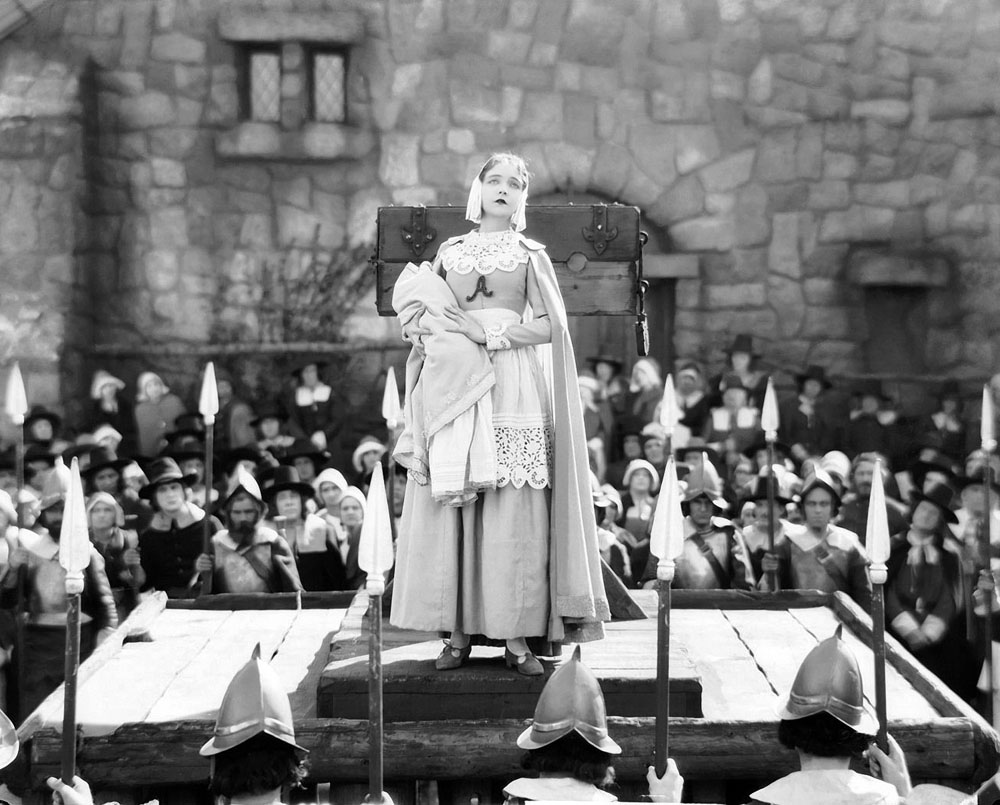
What is interesting is that in Maria Candelaria the people are
Catholic, and in The Scarlet Letter they
are Puritan, both devout Christian religions, but the townspeople are not very
Christ-like. In both it is not the accused sinner who is in need of forgiveness
and redemption, but those who profess to be followers of Christ—the townspeople.
In the case of the woman taken in adultery Jesus pronounced, “He who is without
sin among you, let him first cast a stone at her.” Christ made it clear no one is
sinless, but this message was lost on the townspeople of Xochimilco who actually
end up killing Maria by stoning her, making them prime candidates for
redemption. In The Scarlet Letter the
townspeople and Hester’s estranged husband Chillingsworth were twisted by hate
and revenge. Hester informed Chillingsworth that in order to save his soul he
needed to give up his desire for vengeance.

No comments:
Post a Comment